
Planning a trip to Corsica? This island destination with its contrasting landscapes seduced us with its rugged mountains, heavenly beaches and rich historical heritage forged over the centuries. But our Corsican experience would not be complete without its gastronomy. In our opinion, culinary discovery is an integral part of a trip to immerse oneself in the local culture.
In this article, embark on a culinary journey of a lifetime. Here’s our advice on what to eat in Corsica.
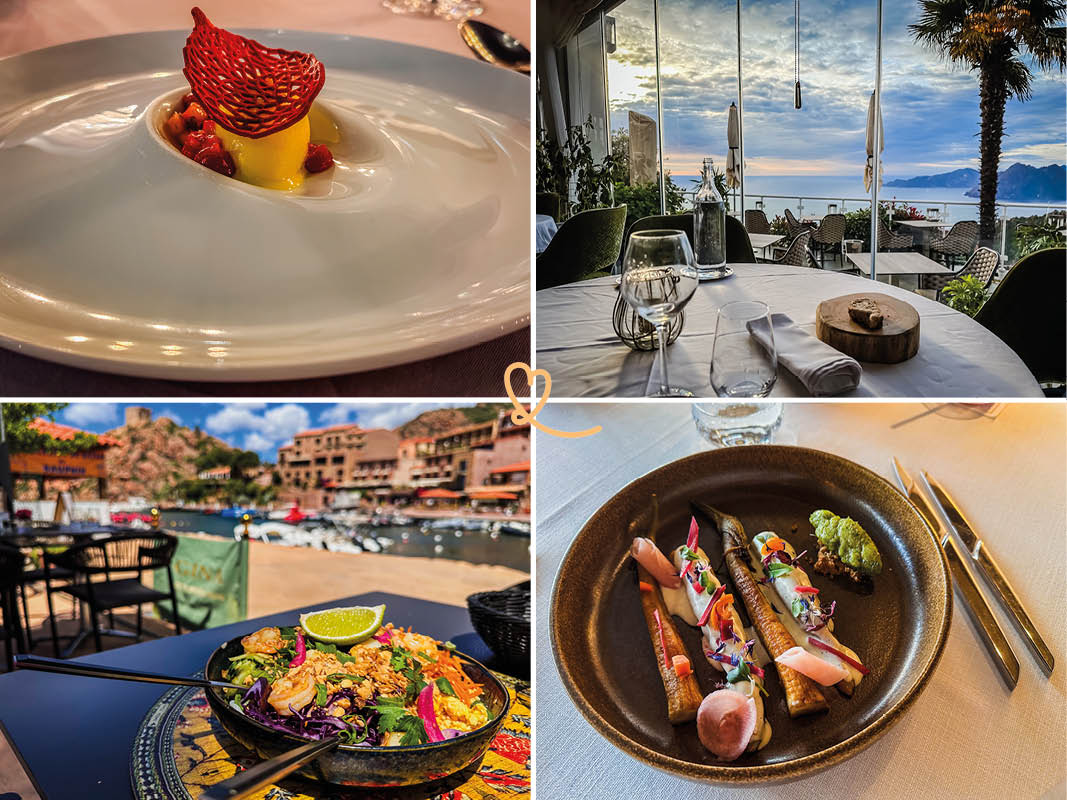
This guide is completely independent, based on our experiences. We visited the region anonymously, making our own choices and paying our bills in full.
What to eat in Corsica – savoury dishes
We fell under the spell of Corsican cuisine, rustic and generous, between land and sea, focusing on charcuterie, cheeses (brocciu), meats (wild boar, lamb), chestnuts and maquis herbs. Here’s a (non-exhaustive) list of Corsica’s main savory dishes, emblematic of the local gastronomy.
Corsican charcuterie (figatellu, panzetta…)
Delicatessen lovers? You’ve come to the right place! Corsica is renowned for its artisanal charcuterie products and the unique flavours of its terroir. These specialties are mainly derived from locally free-range pigs fed on chestnuts and acorns. Among the most traditional, we tasted prisuttu (dry-cured ham) aged between 15 and 36 months in the cellar, coppa, lonzu and figatellu, the famous liver-based sausage. These specialties are often prepared using traditional methods, a guarantee of authenticity and quality. We also enjoyed the local herbs, such as rosemary and wild thyme, which flavored the charcuterie perfectly. You’ll find that the island’s climate contributes to their distinctive taste.

Among Corsica’s emblematic cured meats, we also tasted panzetta. Prepared from pork belly, salted, peppered and often smoked with local essences such as chestnut or juniper wood, it can be eaten raw or cooked after a period of maturing. We had the pleasure of enjoying a generous dish of panzetta lasagne during our visit to Sartène. We liked its soft texture and rich taste, reminiscent of the aromas of Corsican maquis. You’ll find that it’s an essential ingredient in local cuisine, also used in soups and stews.

Prepared meats
Corsican gastronomy is characterized above all by its conviviality, traditions and family recipes, handed down from one generation to the next. These include game meats and farmhouse meats in sauce. The à la carte menu features dishes cooked with local meats: lamb, wild boar, beef and veal are all popular in the kitchen. What, for example, we had the opportunity to try or see on the menu during our stay:
- Corsican-style wild boar stew: red wine-marinated stew with aromatic herbs and tomato-spice puree sauce
- Corsican lamb: often cooked on a spit, served in shredded or stewed form, and flavoured with maquis herbs.
- stufatu: traditional meat dish, often based on beef or veal, simmered in wine and vegetables, served with pasta as a side dish
- veal with olives: recipe simmered with white wine and local herbs
- pulenda: traditional bread made from chestnut flour, often served with meats or cheeses

Fresh Corsican cheese: Brocciu
Do you know brocciu? This fresh cheese is truly typical of Corsica, made from sheep’s or goat’s whey. We found it soft and creamy. Fresh or mature, it’s sure to delight your taste buds! It is used in many sweet and savory Corsican dishes, such as fiadone (sweet brocciu tart or the less common savory version with vegetables). We tasted it at a bistronomic table in Bonifacio as a starter in 3 different forms, accompanied by honey. A delight!
Brocciu is the most famous Corsican cheese, but you can also choose from a range of local cheeses such as goat’s or sheep’s milk tomme.

Traditional soups, pies and gratins
Traditional Corsican hot dishes also include gratin de blettes, sometimes prepared with brocciu. There’s also the thick, hearty peasant soup, based on seasonal vegetables, sometimes with bacon or charcuterie. Ideally situated in the Mediterranean basin, Corsica is also known for its wide variety of fish and seafood. Fish soup is another classic!
If you’re passing through the Cité des Falaises, let yourself be tempted by the tasty eggplants “à la bonifacienne”. Stuffed with cheese, bread and herbs, then baked au gratin, you’ll be telling us all about it!

Fish and seafood
Ideally situated in the Mediterranean Sea, Île de Beauté promises a wide variety of fish and seafood dishes. On the restaurant menu, you’ll mainly find sea bass, sea bream, hake or red mullet, often grilled or cooked in sauce. Sea urchins, which are quite popular, are best eaten fresh in winter, while lobsters and cuttlefish are usually cooked in dishes such as bouillabaisse or in salads. In any case, choose restaurants that specialize in seafood and fish, to be sure of fresh catch of the day.

Culinary specialties in Corsica: desserts and sweet treats
Traditional desserts
For us, eating well is sacred, even on vacation! We like to end a good meal on a sweet note. The good news is that Corsican cuisine offers many traditional desserts and sweet treats:
- fiadone: cake or tart made with brocciu (fresh Corsican cheese), lemon and eggs, lightly sweetened
- canistrelli: small dry cookies, often flavoured with aniseed, white wine or lemon.
- pastizzu: flan made with stale bread, milk, sugar and lemon
- panzarotti: sweet pancakes or fritters made from chestnut flour

Several chefs are innovating in the kitchen by revisiting certain recipes and combining local produce. For example, we tried the local sheep’s milk panna cotta with strawberries, pineapple and poached bananas for a sweet and refreshing touch at Restaurant La Table de Mina in Porto-Vecchio. La Table by La Villa in Calvi offered us an exquisite moment from starter to dessert with its garden strawberries with brocciu and fiadone. A delight for the eyes as well as the taste buds!

Chestnuts, emblem of the local terroir, in all their forms
The queen of desserts in Corsica, we tried chestnuts in all their forms! In fiadone, a cake made with fresh brocciu cheese and chestnut flour, or in chestnut cream and fritters. You’ll also find it in many recipes for soft cakes and homemade ice creams. It brought us a sweet, rustic flavor typical of the island, as at Restaurant Nova in Bastia, where the chestnut fondant made us fall in love. Or at Restaurant 4 Vents in Bonifacio with this delicious chestnut moelleux.

Corsican clementine (IGP)
We loved the Corsican Clementine, recognized by a Protected Geographical Indication (PGI), for its sweet, slightly tart flavor. You may be surprised to learn that it is seedless and hand-picked. Its skin is also fine and shiny. You can taste them mainly in autumn, when production peaks thanks to the island’s favorable Mediterranean climate. Its green leaf, often left attached, guarantees its freshness. To bring even more sunshine to your plate, clementines are also a wonderful addition to pastry recipes such as fondant or soft cake. For our part, we enjoyed it in the form of home-made ice cream in Sartène.

What to drink in Corsica: local drinks
Corsican wines
In Corsica, we also enjoyed a number of local beverages that reflect the richness of the terroir. How could we forget Corsican wines such as Patrimonio or Balagnes wines like Domaine Renucci? Thanks to native grape varieties such as Vermentinu, Corsican wines are unique. We appreciated their authentic aromas, largely influenced by the Mediterranean climate. The vast majority of Corsican restaurants offer them à la carte. Don’t hesitate to ask for advice when ordering your dish, so you can choose a wine that goes perfectly with it.

Myrtle and chestnut liqueurs
Liqueur lovers or simply curious, try Corsican liqueurs made from myrtle or citron. Add a touch of fragrance at the end of your meal. In Corsica, myrtle and chestnut liqueurs are considered genuine local specialties. Myrtle liqueur is made from wild myrtle berries, revealing sweet, spicy aromas. As for chestnut liqueur, it’s sweeter and reminds us of Corsica, where the chestnut tree is king! These liqueurs can be enjoyed as digestifs, or incorporated into desserts according to the chef’s creativity.

Local beers and aperitifs
If you prefer beer, Corsica is famous for its Pietra, brewed with chestnut flour to continue to honor the local terroir. As for aperitifs to open the meal, you can try Cap Corse, a wine fortified with Corsican grape juice, blended with macerations of cinchona peel, Corsican citron and a selection of local fruits, plants and sometimes even spices! Ready for a tasting?

Best restaurants in Corsica + how to choose
Knowing how to choose a restaurant when traveling isn’t always easy, if you want to be sure of finding the right one to suit your tastes and expectations. Opt for establishments that are popular with the locals, as this is a sign of authenticity and quality. We also recommend restaurants that feature regional and seasonal produce on their menus, for a fresh and truly Corsican culinary experience. And book in advance whenever possible.
From Michelin-starred restaurants to seafood specialties, bistronomic, rustic or family-style, you’ll have plenty to choose from in Corsica. Since we believe that culinary discovery is an integral part of travel, we’ve done the research for you! Here are a few suggestions from our selections in each city.
Best restaurants in Ajaccio
- Restaurant Le Petit Restaurant: located 2 steps from the port, come and enjoy fresh local produce cooked with great finesse in an intimate setting.
- Restaurant A Terrazza (Hôtel Les Mouettes): enjoy an exceptional panoramic view of Ajaccio Bay while discovering Corsican flavors.
- Restaurant A Nepita: with a menu inspired by the market and the seasons, you’re in for a treat. When the weather’s fine, don’t hesitate to sit out on the outdoor terrace overlooking colorful San Lazaro Street!
Find our complete selection of the best restaurants to eat in Ajaccio.

Best restaurants in Bastia
- Restaurant Nova: in the Old Port district, we came across this restaurant with its subdued atmosphere. Enjoy hearty salads, a variety of pastas and risottos, meat and fish dishes and Corsican specialties on the pleasant terrace.
- Restaurant Le Mademoiselle: this lounge bar in the heart of Bastia boasts a chic, contemporary interior with a magnificent stone vaulted ceiling. The short menu is renewed daily, guaranteeing freshness, matched with delicious local wines.
- Restaurant Le Petit Vincent: in the citadel district, a good address offering a unique panorama of the port and Bastia’s hills, with modern, healthy cuisine.
Read our article for more suggestions on good places to eat in Bastia.

Best restaurants in Porto-Vecchio
- Restaurant La Table de Mina: in the tranquility of a typical stone building, this excellent restaurant stands out as a culinary sanctuary. Nestled in a renowned hotel near Palombaggia beach, it’s an ideal place to reconnect with nature. The creative, characterful cuisine made our experience a gastronomic highlight.
- Restaurant U Santa Marina: a waterfront terrace with a sea view, colorful dishes and refinement: these ingredients made our meal at this traditional gourmet restaurant an unforgettable experience. Not to mention the exceptional view of the Gulf of Santa Giulia during the meal!
- Shirley’s Bar Restaurant: finding a healthy place to eat with the whole family on vacation isn’t always easy. This restaurant is one of our favorites: well-balanced dishes made with market produce, the intimacy of the alleyway where the restaurant is located, and a pleasant setting. We also went for the excellent mojito raspberry house cocktail. You can enjoy lunch on the terrace on a wooden swing. Something to delight young and old alike!
Want to find out more about the best restaurants in Porto-Vecchio? Click here!

And also…
- Our selection of the best restaurants in Bonifacio
- Our selection of the best restaurants in L’Île-Rousse
- Our selection of the best restaurants in Sartène
- Our selection of the best restaurants in Calvi
- Our selection of the best restaurants in Piana
Of all the restaurants we’ve tested to date in Corsica, our 2 favorites are:
- Restaurant La Table di Ma in Lumio near Calvi (1 Michelin star)
- Restaurant La Table de Mina in Porto-Vecchio (gourmet – Michelin-starred)
Read our suggestions for must-visit restaurants in Corsica

WHERE TO STAY IN Northern Corsica
Our favorites: cities and hotels
Saint-Florent with its bay and mountain views.
See our selection of the best hotels.
L’Île-Rousse, a charming little town with a beach.
See our selection of the best hotels.
Calvi, a lively town with beach.
See our selection of the best hotels.

Tips for eating like a local in Corsica
Cooking habits and times
In Corsica, meals are generally served between 12 and 2pm for lunch, and from 7:30pm or 8pm for dinner. Restaurant reservations are not always necessary, but are recommended whenever possible, especially if you want to eat during a specific time slot. Conviviality is the watchword. Each time we sat down, we took the time to savor the local specialties. When you place your order, remember to ask for details about the dishes. Corsican cuisine may include specific products such as chestnuts or typical meats. If you’re curious about a dish, it’s best to ask: restaurateurs are often delighted to share their passion for local produce and cuisine. We had some nice surprises and enriching conversations in some of the establishments!

Tips
On the Île de Beauté, tipping is not compulsory, as service is often included in the price indicated on the menu. However, it’s appreciated if you’ve had a good time at the table, even if you don’t have to. When the service is attentive and the wait staff attentive, if you’re wondering how much to leave, tips can represent around 5% to 10% of the overall bill. It’s also a source of additional income for some professionals.
OUR TIPS FOR RENTING A CAR IN Corsica
- Compare prices on our preferred platform: DiscoverCars – one of the best rated sites.
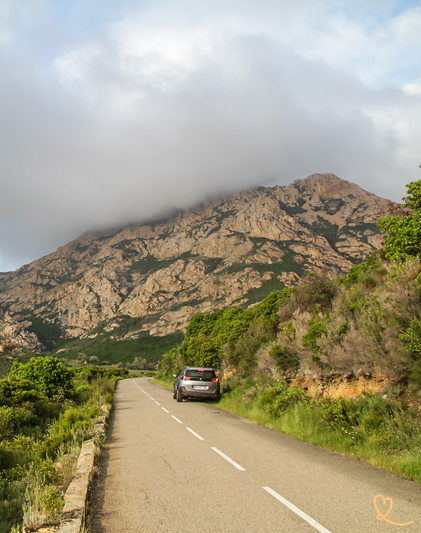
- Choose a car that is powerful enough (the roads are steep) but compact (some passages are narrow).
- Remember to take outcomprehensive insurance (some roads are winding and narrow).
- There is a lot of demand, book it early.
Additional billing
Water in carafes is offered free of charge in most restaurants in Corsica. Bread is generally included in the service. Note that practices may vary from one restaurant to another. In general, prices are clearly displayed on menus, and extras are advertised. However, you may be charged extra for certain items without being explicitly informed at the outset. For example:
- Bread and snacks: bread is usually free, but in some tourist areas snacks or extra bread may be charged.
- Cutlery and service: this is rare, but some restaurants may charge for cutlery or a service fee, especially in very touristy areas.
- Side dishes: dishes may be served without side dishes, which are billed separately. Always ask if a dish includes toppings or sauces when ordering your meal.
To avoid unpleasant surprises, we recommend that you always ask whether certain items will be charged extra.

Local markets
We love strolling through the local markets. It’s another way of meeting shopkeepers and craftsmen, soaking up the culture and discovering Corsican specialities and culinary culture. But also to support local producers! In Corsica, we found these lively, colorful places perfect for sampling regional products and getting into the local mood. Here are some famous local markets on the Isle of Beauty:
- Ajaccio Central Market: the ideal place to discover Corsican gastronomic specialties. It’s close to the Tino Rossi marina and Place Foch. Gourmets will love this gourmet hall! We loved wandering among the stalls of local specialities, and smelling the aromas of Corsican charcuterie and cheese. In fact, it’s one of the best things to do in the Corsican capital.

- Bastia market: in the old port district, the market square hosts a lively local market every Saturday and Sunday morning. During the festive season, you’ll find a Christmas market here, and in summer, bands often perform in the square, which is invaded by restaurant terraces. We also had the pleasure of pushing open the doors of a few delicatessens where you’ll find what you’re looking for if you’re looking to indulge in artisanal Corsican delights.

Other typical Corsican markets include Corte, Porto-Vecchio, Calvi and Sartène. Here’s some advice if you decide to explore the local Corsican markets:
- Go in the morning, as the best products are often available as soon as they open.
- Take the time to taste on the spot
- If you negotiate with small producers or craftsmen, do so with respect, although prices are generally fixed.
- Take cash with you, as market traders do not always accept credit cards.

Gastronomic events
If you love good food, Corsica boasts a fine culinary scene and organizes local gastronomic events such as..:
- Festival Fiera di u Casgiu: in Venaco, Haute-Corse, this annual event celebrates Corsican cheese, particularly brocciu, and is usually held in May. An opportunity to showcase a wide variety of local cheeses and take part in workshops and tastings (see details here).
- Fiera di u Vinu: held in May in the commune of Patrimonio, this fair is dedicated to Corsican wines and brings together local winemakers. Over 3 days, take part in tastings and meet the winemakers (see details here).
- Lundis du Terroir: on the eastern side of the island, in the villages of Peru Casevechje and Talasani, the months of July and August are punctuated by meetings with local artisans (cutlery, pottery, charcuterie, cheeses, hazelnuts, chestnuts, wines…). Every 2nd Monday, learn more about traditional crafts and enjoy a festive musical evening (see details here).
Corsica also hosts national and international events such as the Salon du Chocolat et des Délices de Corse in Bastia, the Art’è Gustu culinary festival in Bonifacio, the Congrès mondial des Maîtres Cuisiniers de France and the Bastia Beer Festival, which showcases Corsican and French breweries.

Food tours and gourmet adventures in Corsica
What is a food tour?
In our eyes, as you will have understood from this article, culinary discovery is an integral part of travel. So what could be better than a guided gastronomic experience with the locals? The food tour lets you discover the destination through its culinary specialties. Activities can include visits to one or more establishments, such as local markets, restaurants or wine cellars. It’s also possible to visit vineyards and finish off with a tasting or meal. It all depends on what you’re looking for! These tours immerse you in the region’s culture, history and traditions, while encouraging local merchants and artisans. A gourmet program in prospect!

Top 5 food tours in Corsica
Here you’ll find our selection of gastronomic and wine-related activities in Corsica:
- Cruise to the Îles Sanguinaires from Ajaccio and wine tasting – find out more
- Immersive Napoleonic experience and traditional meal – find out more
- Organic wine tasting and local lunch in Haute Corse – find out more
- Stroll around Ajaccio and taste the local specialities – find out more
- Cellars, vineyards, wine tastings and local picnics – find out more

Frequently asked questions
What’s the best way to avoid tourista?
To protect yourself from tourista when you travel, select the restaurants where you eat with care (using our suggestions!). Wash your hands frequently and avoid raw vegetables. Bottled water is also recommended. You can also consult your GP before leaving on a trip to obtain oral rehydration solutions for any necessary purposes.
Is tap water safe to drink?
It always depends on the destination. According to Corsica’s Agence Régionale de Santé (ARS), tap water is generally good in major towns. If you’re going to small villages, it’s best to use bottled water. See any updates on the official ARS de Corse website here.

How to avoid tourist traps and find the right addresses?
To avoid tourist traps in Corsica, look for restaurants frequented by locals, and ask locals or people managing your accommodation for recommendations. Choose restaurants that feature regional products and offer varied menus. And to make your life easier, choose from our selection of the best restaurants in Corsica!
Do restaurants accept credit cards in Corsica?
Yes, most of the restaurants in Corsica where we ate accept credit cards. This is particularly true in tourist areas and large cities. However, we recommend that you carry cash if you are visiting smaller establishments or more remote villages, as this can vary.

What local Corsican products can be brought as culinary souvenirs?
What a rich terroir that will leave you with fond culinary memories of your trip! If, like us, you like to take some home in your suitcase, here are some easy-to-carry ideas:
- charcuterie such as lonzu (dried and smoked) and dry figatellu, jarred PDO honey, olive oil, chestnut flour, local myrtle- and chestnut-based liqueurs and Corsican wine
- The typical fresh brocciu cheese doesn’t keep well on the road, but there’s a refined version that’s easier to transport: brocciu passu.
Remember to check your country’s customs regulations concerning the import of food products, especially meat, cheese and alcohol, before crossing the border. Certain foodstuffs may be subject to strict restrictions.
Plan your trip to Corsica
Discover all our articles to make your trip a success!
- All our practical advice for a trip to Corsica – read
- How to get to Corsica – coming soon
- Which ferry to take to Corsica – read
- Rent a car in Corsica – read
- Where to stay in Corsica – read
- Driving in Corsica – read
- 3 days in Corsica: where to go – read
- 4 or 5 days in Corsica: where to go – read
- The most beautiful destinations in Cose – read

SHE MADE THE TRIP Claire